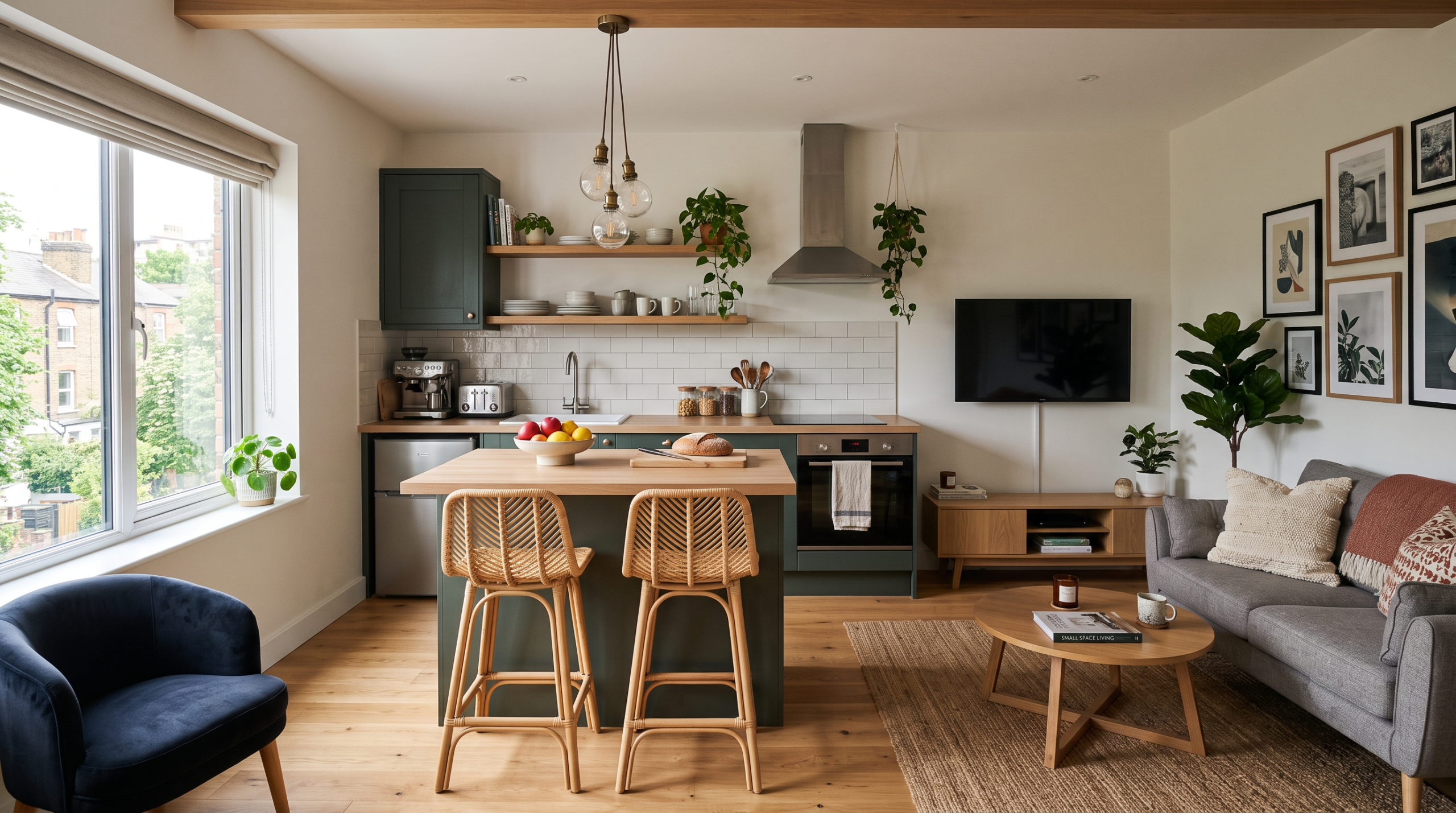

Introduction: Embracing the Potential of Small Spaces
Living or working in small spaces does not mean you have to sacrifice comfort, style, or functionality. In fact, small spaces offer a unique opportunity to get creative, streamline your lifestyle, and design an environment that is highly efficient. The secret to success lies in how you view the layout. When you learn how to maximize small spaces effectively, you stop seeing square footage as a limitation and start seeing it as a canvas for smart design.
Maximizing small spaces is all about clever spatial awareness, intentional furniture choices, and visual tricks that open up a room. Whether you are dealing with a compact studio apartment, a tiny home, or a small office, the strategic principles of managing small spaces remain the exact same.
Here is a comprehensive guide packed with actionable details and tips to help you transform your small spaces into spacious, beautiful, and highly functional sanctuaries.
1. Think Vertically, Not Just Horizontally
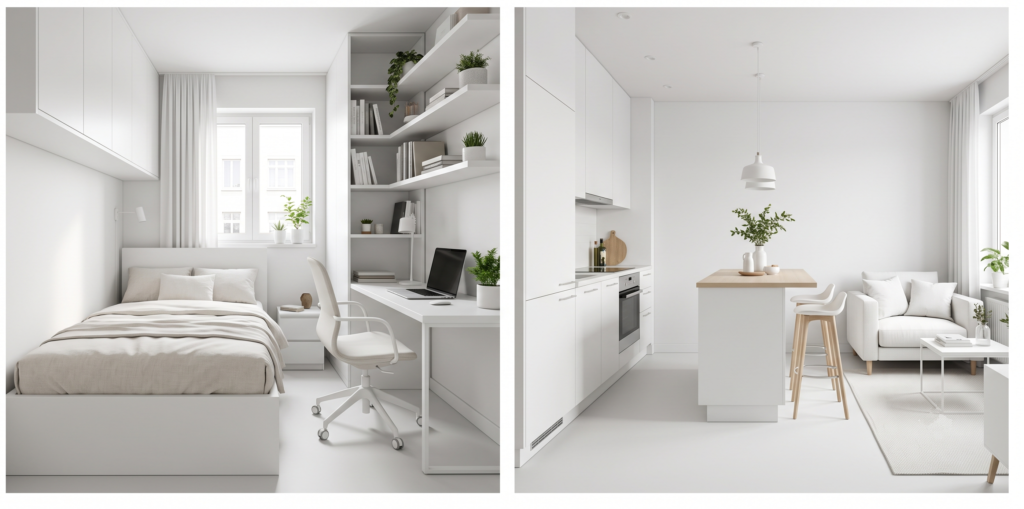
When floor space is limited in small spaces, the number one rule is to look up. Most people forget that the walls offer massive, untapped real estate. By shifting your storage and decor focus upward, you instantly free up valuable walking areas in small spaces.
- Floor-to-Ceiling Shelving: Install shelving units that go all the way to the ceiling. This draws the eye upward, making the ceiling in small spaces feel higher while providing massive amounts of storage for books, plants, and decorative items.
- Floating Desks and Tables: Drop-down or floating desks can be mounted directly to the wall. You can fold them down when you need to work and fold them completely flat against the wall when you are done, which is a lifesaver for small spaces.
- High-Level Storage Hooks: Use stylish hooks or pegboards high up on your walls to hang everything from bicycles and folding chairs to kitchen pans and coats. Keeping items off the floor is critical to maintaining a sense of openness in small spaces.
2. Invest in Multi-Functional Furniture For Small Spaces
In small spaces, every single piece of furniture must earn its keep by serving more than one purpose. If a piece of furniture only does one thing, it might be wasting precious room. Multi-functional furniture is the absolute backbone of optimizing small spaces.
- Storage Ottomans and Benches: Choose coffee tables, ottomans, or entryway benches that feature hidden storage compartments inside. This gives you a place to sit or rest your feet while hiding away blankets, toys, or seasonal items that clutter small spaces.
- Sofa Beds and Murphy Beds: For studio apartments or multi-purpose guest rooms, a high-quality sofa bed or a pull-down Murphy bed is essential. This allows your bedroom to seamlessly transform into a spacious living room during the daytime, maximizing the utility of small spaces.
- Extendable Dining Tables: Look for dining tables that feature drop-leaves or extendable inserts. You can keep the table small and compact for daily use, and expand it only when you have guests over. This keeps your dining area from consuming your entire floor plan.
3. Master the Art of Concealed Storage
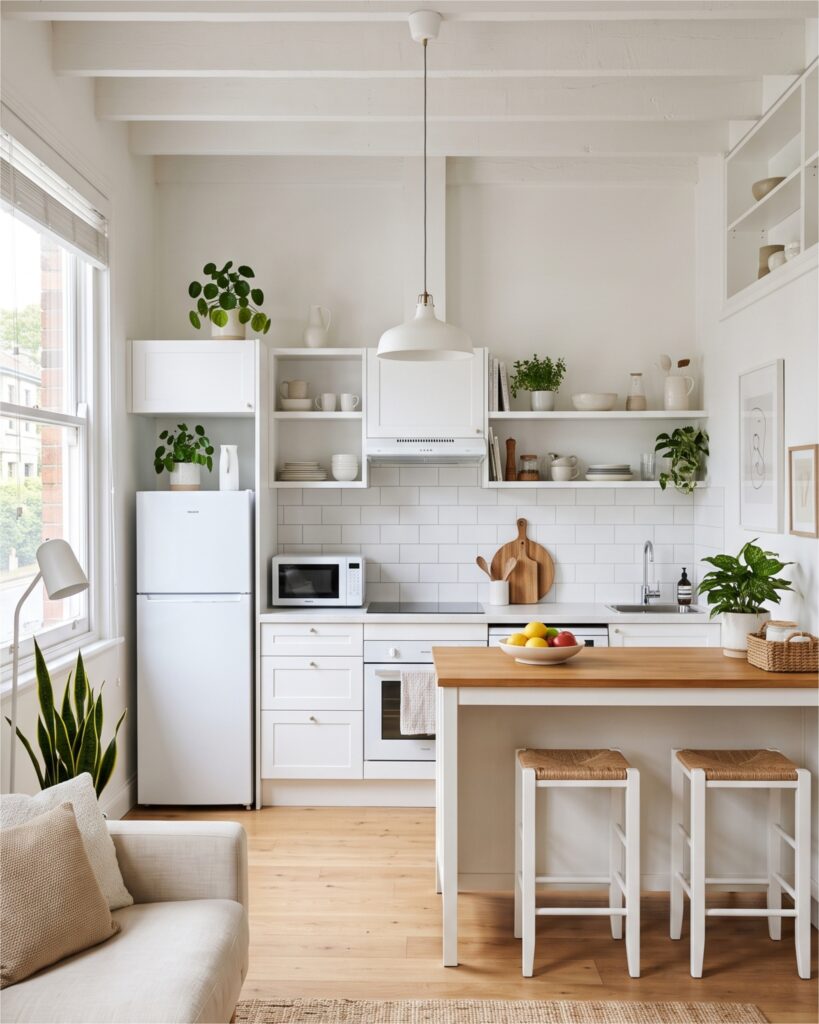
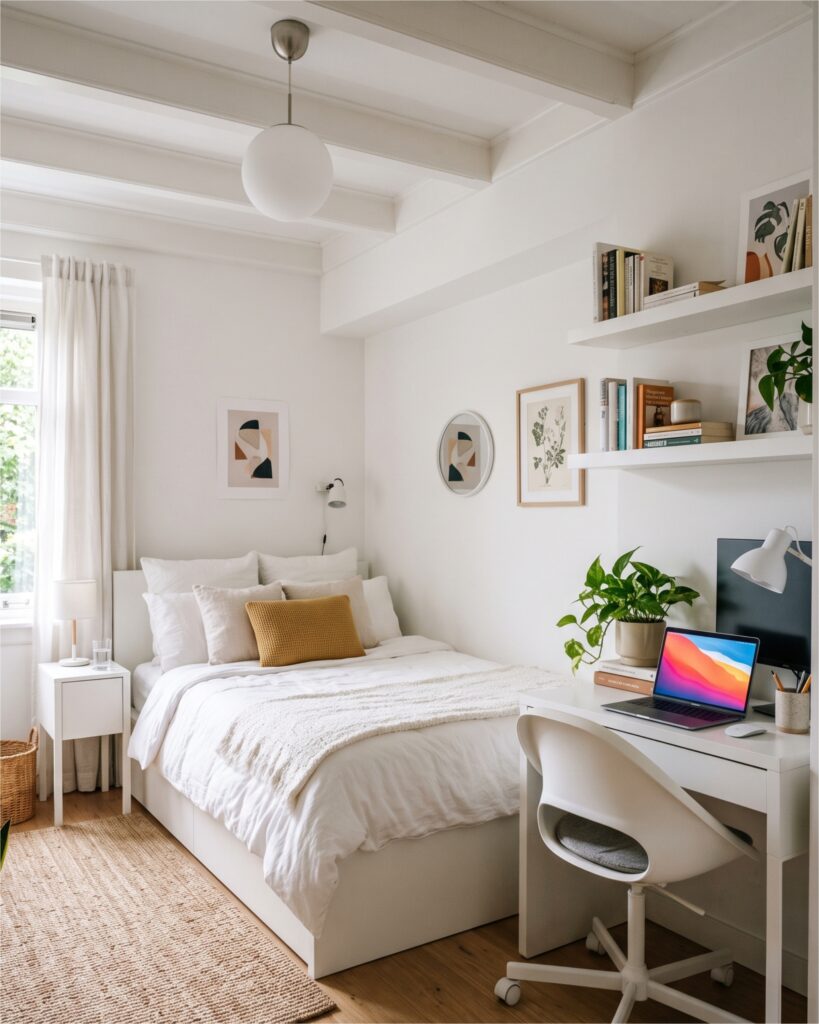
Clutter is the ultimate enemy of small spaces. Even a tiny amount of mess can make a small room feel chaotic and cramped. The key to maintaining a peaceful environment in small spaces is creating a dedicated home for every object, preferably hidden out of sight.
- Under-Bed Storage: Don’t let the space under your bed go to waste. Use low-profile rolling storage bins to store out-of-season clothing, extra linens, or shoes. Some modern beds even come with built-in hydraulic lifts that raise the mattress to reveal massive storage underneath, which is perfect for small space.
- Utilize In-Between Spaces: Look for those awkward, narrow gaps between your refrigerator and the wall, or next to your washing machine. You can slide a slim, rolling pantry cart into these tiny gaps to maximize every single inch of your space.
- Uniform Storage Containers: Inside closets and on open shelves, use matching baskets or bins. Keeping items tucked inside uniform containers hides visual clutter and creates a clean, streamlined look that makes small space feel incredibly organized.
4. Visual Tricks to Create the Illusion of Depth
Sometimes, maximizing small spaces is less about physical layout and more about psychology and perception. You can use light, color, and reflective surfaces to trick the human brain into perceiving small space as much larger than they actually are.
- Strategic Mirror Placement: Mirrors are the ultimate tool for expanding small space. Place a large floor mirror opposite a window. It will catch the natural sunlight and bounce it deep into the room, instantly doubling the perceived depth of your small space.
- Monochromatic and Light Color Palettes: Dark colors can sometimes make a room feel cozy, but they can also make small spaces feel like a cave. Stick to light, neutral colors like soft whites, cream, light grays, or pastel tones. Painting the walls and trim the same color eliminates visual boundaries, making small space feel expansive.
- Raise the Curtain Rods: When hanging curtains, mount the rods right up against the ceiling line rather than right above the window frame. Let the curtains drape all the way down to the floor. This simple trick elongates the windows and tricks the eye into thinking the walls of your small space are taller.
5. Zone Your Layout Without Physical Walls
If you live in a studio or an open-concept layout, managing small spaces requires creating distinct zones for different activities—like sleeping, working, and eating. However, building solid walls will block light and make the area feel tiny. Instead, use smart zoning techniques.
- Define Zones with Area Rugs: Place a specific rug under your bed and a different rug under your couch. This visually separates your bedroom zone from your living room zone without using a single wall, keeping the flow of your small space open and breezy.
- Open-Backed Bookcases as Dividers: Use an open-backed shelving unit placed perpendicular to the wall to separate a space. It acts as a room divider, provides excellent storage, and still allows light to pass completely through, preserving the open feel of your small spaces.
- Lighting Layouts: Give each zone its own dedicated lighting. A warm lamp next to the bed, a bright task light over the desk, and a dimmable overhead light in the lounge area will help mentally separate the functions of your small space as night falls.
Conclusion: Living Large in Small Spaces
Ultimately, maximizing small spaces effectively requires discipline, creativity, and a commitment to intentional living. By choosing multi-functional furniture, utilizing your vertical wall space, keeping clutter completely hidden, and using light to your advantage, you can create a highly functional environment.
Remember, small spaces don’t have to limit your lifestyle. With these design strategies, your small space can feel just as luxurious, organized, and inviting as any large home.